Physical Address
304 North Cardinal St.
Dorchester Center, MA 02124
Physical Address
304 North Cardinal St.
Dorchester Center, MA 02124

Photo by rupixen.com on Unsplash
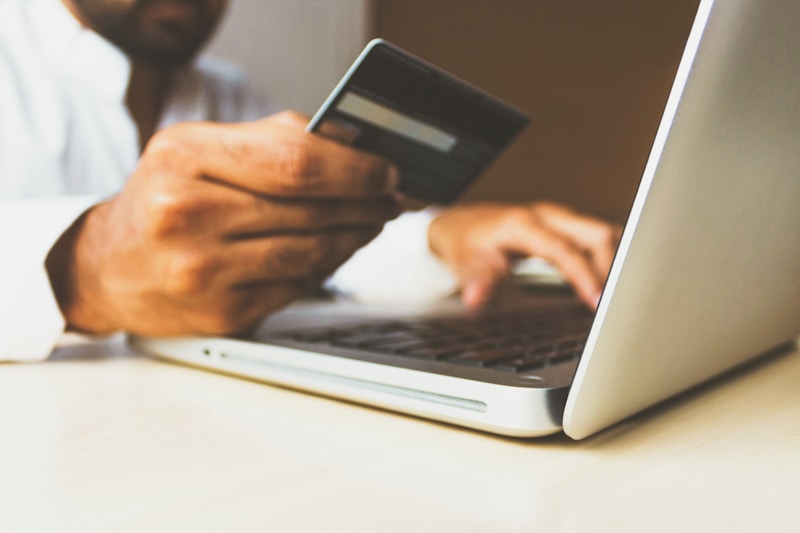
A data breach occurs when unauthorized individuals gain access to confidential, sensitive, or protected information. This can include personal identifiable information (PII) such as names, addresses, Social Security numbers, financial data, medical records, login credentials, and more.
Hacking and Malware: Cybercriminals use sophisticated techniques to break into computer systems and databases. This can include exploiting software vulnerabilities, deploying malware, or using brute force attacks to crack passwords.
Phishing Attacks: Employees may unknowingly provide credentials to attackers through convincing phishing emails that appear to come from legitimate sources.
Insider Threats: Sometimes breaches occur from within an organization, either through malicious employees or careless handling of sensitive data.
Physical Theft: Lost or stolen devices containing unencrypted data can lead to breaches, as can physical break-ins to facilities storing sensitive information.
Third-Party Vendors: Organizations often share data with vendors and partners. If these third parties have inadequate security, they can become the weak link that leads to a breach.
When your data is exposed in a breach, you may face several risks:
Companies that suffer data breaches face significant consequences including regulatory fines, legal liability, reputation damage, and loss of customer trust.
Create complex passwords that combine uppercase and lowercase letters, numbers, and symbols. Never reuse passwords across multiple accounts. Consider using a password manager to generate and store unique passwords for each service.
Wherever available, enable two-factor authentication (2FA) to add an extra layer of security. Even if your password is compromised, 2FA can prevent unauthorized access to your accounts.
Regularly review your bank statements, credit card transactions, and credit reports for any suspicious activity. The sooner you detect fraud, the easier it is to address.
Be selective about the personal information you share online. Question whether websites and services truly need all the data they request. The less information you share, the less can be compromised.
Regularly update your operating system, browsers, and applications. Security patches often address vulnerabilities that could be exploited in attacks.
First, confirm that the breach notification is legitimate. Scammers often create fake breach notifications to trick people into providing more information. Contact the company directly using contact information from their official website.
If the breach involves login credentials, change your password for that service immediately. If you used the same password elsewhere, change those passwords too.
Place a fraud alert on your credit reports with the three major credit bureaus: Equifax, Experian, and TransUnion. Consider placing a credit freeze, which prevents new accounts from being opened in your name.
Carefully examine your bank and credit card statements for any unauthorized transactions. Report suspicious activity immediately to your financial institutions.
Many companies offer free credit monitoring or identity theft protection services after a breach. Take advantage of these offers, as they can provide early warning of fraudulent activity.
Keep records of all breach notifications, communications with companies, and steps you take in response. This documentation can be valuable if you need to dispute fraudulent charges or file a police report.
If you discover that your identity has been stolen, report it to the Federal Trade Commission at IdentityTheft.gov and file a police report with your local law enforcement.
While you cannot completely prevent your data from being exposed in a breach, you can take proactive steps to minimize your risk and limit the damage when breaches occur. By using strong security practices, monitoring your accounts, and knowing how to respond effectively, you can protect yourself in our increasingly connected digital world. Remember that vigilance and quick action are your best defenses against the consequences of data breaches.