Physical Address
304 North Cardinal St.
Dorchester Center, MA 02124
Physical Address
304 North Cardinal St.
Dorchester Center, MA 02124

In today’s digital landscape, where online surveillance, data collection, and cyber threats are increasingly prevalent, protecting your internet privacy has become more important than ever. Virtual Private Networks (VPNs) have emerged as one of the most powerful tools for safeguarding your online activities. This comprehensive guide will help you understand what VPNs are, how they work, and how to choose the right service for your needs.
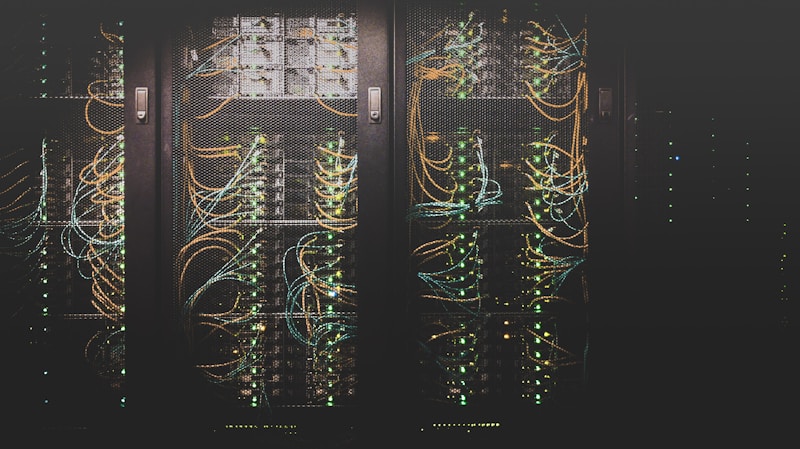
A Virtual Private Network creates an encrypted tunnel between your device and a remote server operated by the VPN service. When you connect to a VPN, all your internet traffic is routed through this encrypted tunnel, making it virtually impossible for anyone to intercept or monitor your online activities.
When you send data through a VPN, it undergoes several security processes:
Internet Service Providers can see every website you visit, every file you download, and every message you send. In many countries, ISPs are legally permitted to sell this browsing data to advertisers. A VPN prevents your ISP from monitoring and monetizing your online activities.
Public Wi-Fi networks in coffee shops, airports, and hotels are notoriously insecure. Hackers can easily intercept data transmitted over these networks. A VPN encrypts your connection, ensuring your sensitive information remains protected even on unsecured networks.
Many streaming services, websites, and online platforms restrict content based on geographic location. A VPN allows you to connect to servers in different countries, bypassing these restrictions and accessing content that might otherwise be unavailable in your region.
Some ISPs deliberately slow down certain types of internet traffic, such as streaming or gaming. Since a VPN encrypts your traffic, your ISP cannot determine what type of content you are accessing and therefore cannot selectively throttle your connection.
A trustworthy VPN provider should have a strict no-log policy, meaning they do not store any records of your online activities. Look for providers that have had their no-log policies independently audited by third-party security firms.
Ensure your VPN uses robust encryption protocols. OpenVPN and WireGuard are currently considered the most secure and reliable protocols available. Avoid VPNs that only offer outdated protocols like PPTP.
A kill switch automatically disconnects your internet if the VPN connection drops, preventing your real IP address and unencrypted data from being exposed. This feature is essential for maintaining continuous protection.
A larger server network provides more options for connecting to different locations and typically offers better speeds due to reduced server congestion. Quality VPN providers maintain thousands of servers across dozens of countries.
While all VPNs introduce some level of speed reduction due to encryption overhead, the best services minimize this impact. Look for VPNs that consistently perform well in speed tests and offer unlimited bandwidth.
While VPNs significantly enhance privacy, they do not provide complete anonymity. Your VPN provider can potentially see your traffic, which is why choosing a reputable service with a verified no-log policy is crucial.
VPN usage is legal in most countries, but some nations restrict or ban VPN use. Always research the laws in your jurisdiction before using a VPN.
Encryption and routing traffic through remote servers will always have some impact on connection speeds. For most users with reasonably fast internet connections, this impact is minimal, but it may be noticeable for bandwidth-intensive activities.
A VPN is an essential tool for anyone concerned about their online privacy and security. By encrypting your internet connection and masking your IP address, a VPN protects you from surveillance, hackers, and various online threats. When choosing a VPN service, prioritize providers with strong encryption, verified no-log policies, and reliable performance. Remember that while a VPN is a powerful privacy tool, it should be part of a comprehensive approach to online security that includes strong passwords, two-factor authentication, and safe browsing habits.